
Biotechnology Innovations in the Pharmaceutical Industry
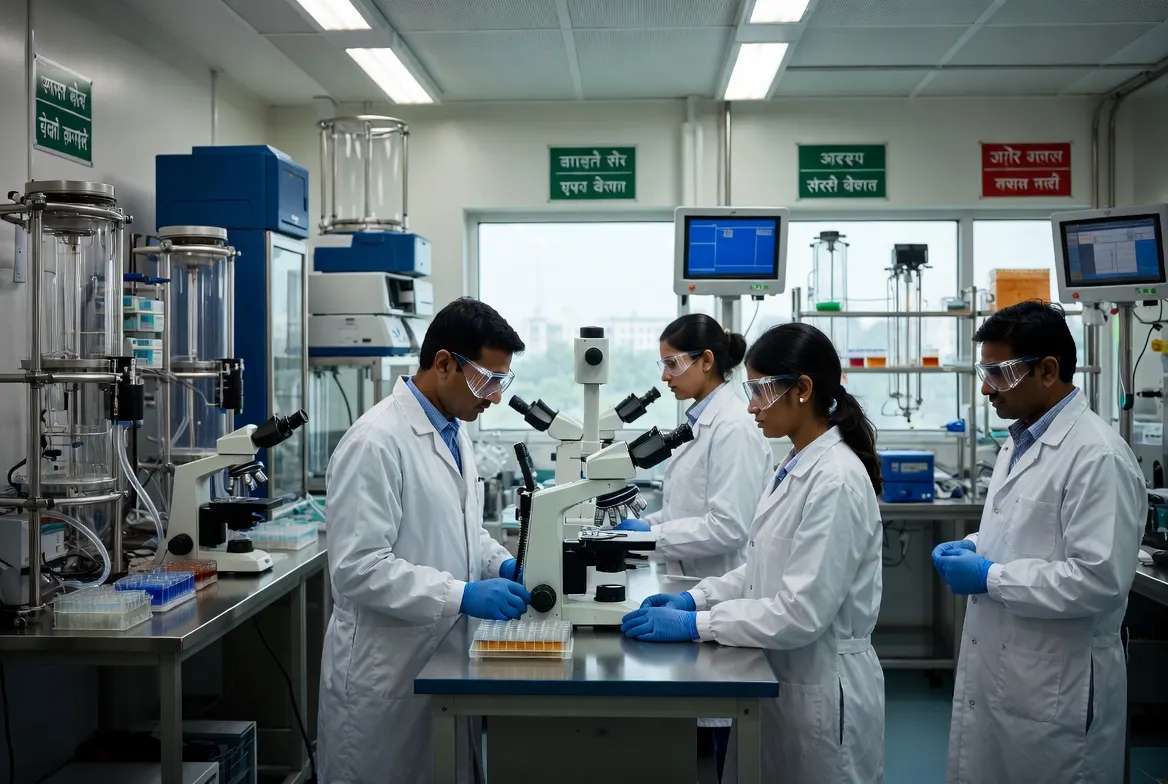
Biotechnology has revolutionized the pharmaceutical industry by enabling medicines to be created using living systems rather than only chemical synthesis. Through genetic engineering, molecular biology, and advanced laboratory techniques, biotechnology offers new possibilities for treating diseases that were once considered untreatable.
Understanding how biotechnology supports drug discovery
Biotechnology begins with understanding disease at genetic and cellular levels. Researchers analyze DNA, proteins, and signaling pathways to identify molecular targets linked to illness. With this knowledge, therapies can be designed to block, replace, or modify specific biological functions, resulting in more accurate and effective interventions.
Biopharmaceuticals and advanced therapies
One of the greatest achievements involves biopharmaceuticals such as monoclonal antibodies, recombinant proteins, vaccines, and enzyme therapies. These products often act like natural substances in the body, producing stronger therapeutic responses with fewer unwanted effects. Biotechnology also supports development of biosimilars, expanding access to life-saving treatments globally.
Gene therapy and personalized medicine
Gene therapy aims to correct defective genes responsible for inherited disorders. Although still under strict research and regulation, it represents a groundbreaking step toward long-term cures rather than symptom control. Pharmacogenomics, another biotechnology field, studies how genes influence drug response, allowing doctors to choose medicines and doses tailored to each patient.
Vaccine innovation and global health
Biotechnology plays a critical role in rapid vaccine development. Techniques such as recombinant DNA, viral vectors, and mRNA technology enable quick design, large-scale production, and strong immune protection. These advances have strengthened preparedness for infectious disease outbreaks worldwide.
Manufacturing and quality advancements
Modern bioprocessing uses bioreactors, automated monitoring, purification systems, and quality assurance tools to maintain consistency and safety. Analytics and regulatory frameworks ensure that biotechnological products remain reliable from laboratory development through patient use.
Ethical responsibility and future learning
Innovation must always balance progress with responsibility. Ethical guidelines protect safety, transparency, and equitable access. Pharmacy students learn to evaluate benefits, risks, regulations, and social responsibilities associated with biotechnology. Institutions such as Maratha Mandal Pharmacy College, Belagavi introduce biotechnology concepts through laboratories, seminars, and research-based learning. Students gain awareness of emerging therapies, regulatory expectations, and patient counseling needs.
As biotechnology continues expanding, its impact on drug discovery, diagnostics, and treatment will continue shaping the future of global healthcare.