
How Machine Learning Helps Develop Safer Medicines
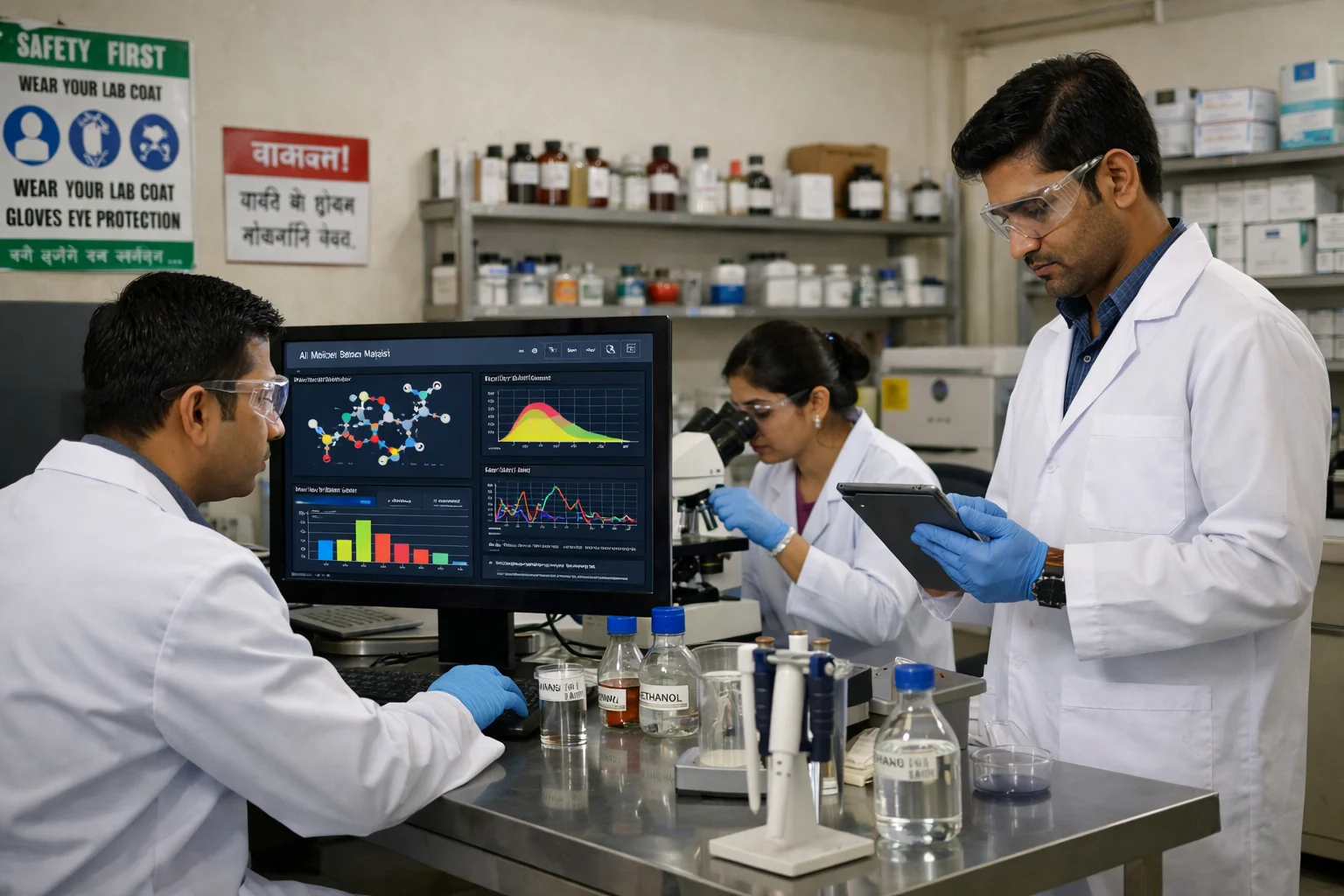
Machine Learning (ML), a key branch of Artificial Intelligence, has become one of the most influential tools in modern pharmaceutical science. Instead of relying only on manual laboratory methods, researchers now use ML systems to analyze millions of data points, identify hidden patterns, and make predictions that guide safer, smarter medicine development. For students of pharmacy and pharmaceutical sciences, understanding machine learning opens the door to the future of research, innovation, and patient protection.
What is machine learning in medicine development?
Machine learning uses algorithms that “learn” from data. When researchers feed clinical records, chemical structures, genetic information, and research results into ML systems, the technology recognizes trends that humans may take years to detect. These insights help scientists understand which compounds look promising, which appear risky, and which might cause harmful reactions before they ever reach human trials.
Choosing safer drug candidates earlier
Traditional drug discovery can take over a decade, with many failures along the way. ML shortens and strengthens this process. Algorithms study how different molecules behave, compare them to past research, and predict toxicity levels. Instead of testing thousands of random compounds, scientists focus only on candidates likely to be effective and safe. This reduces cost, avoids unnecessary lab work, and improves the chances of success.
Predicting side effects before clinical trials
One of the greatest strengths of machine learning lies in safety prediction. ML systems analyze previous cases of adverse drug reactions, patient histories, and biochemical interactions to forecast possible side effects. If patterns suggest danger, researchers can redesign or remove compounds long before they reach volunteers. This protects patients, supports ethical research, and improves trust in new medicines.
Smarter clinical trials with better data
Clinical trials are essential, but they are also complex and expensive. Machine learning helps select suitable participants, estimate correct dosage ranges, and monitor health responses in real time. Algorithms detect unusual reactions quickly, allowing researchers to adjust protocols safely. These improvements make trials more efficient while maintaining high ethical and scientific standards.
Post-marketing safety and pharmacovigilance
The responsibility for safety does not end after approval. ML tools continue monitoring medicines in real-world use by scanning hospital reports, prescriptions, digital health records, and public health databases. When rare or unexpected side effects appear, systems flag patterns faster than manual review. Pharmacovigilance teams respond sooner, protecting communities and improving future prescribing decisions.
Supporting precision and personalized medicine
Machine learning contributes to personalized therapy by studying genetics, lifestyle data, and disease variations. Instead of one treatment for everyone, ML helps doctors and pharmacists tailor medicines and doses for specific groups of patients. This approach reduces risk, increases effectiveness, and moves healthcare toward truly individualized care.
Ethics, responsibility, and professional judgment
Despite its power, machine learning cannot replace pharmacists or scientists. Human expertise remains essential to interpret results, evaluate risks, and make ethical decisions. Data privacy, transparency, and fairness must always guide technology use. Students must learn to question algorithms, understand their limits, and ensure that patient welfare remains at the center of innovation.
Preparing students for a technology-driven future
Pharmacy graduates who understand ML will be better prepared for research laboratories, regulatory roles, and advanced clinical environments. Through seminars, hands-on learning, and research exposure, Maratha Mandal Pharmacy College, Belagavi helps students explore emerging digital tools with responsibility and curiosity, preparing them for meaningful roles in global healthcare innovation.
Moving forward with safer, smarter medicines
Machine learning is reshaping how medicines are discovered, tested, and monitored. By improving prediction, reducing risk, and strengthening evidence-based decisions, it supports a future where treatments become safer and more effective for patients everywhere. Students who embrace this technology today will help shape the next generation of pharmaceutical breakthroughs.