
Innovations in Drug Development and Delivery Systems
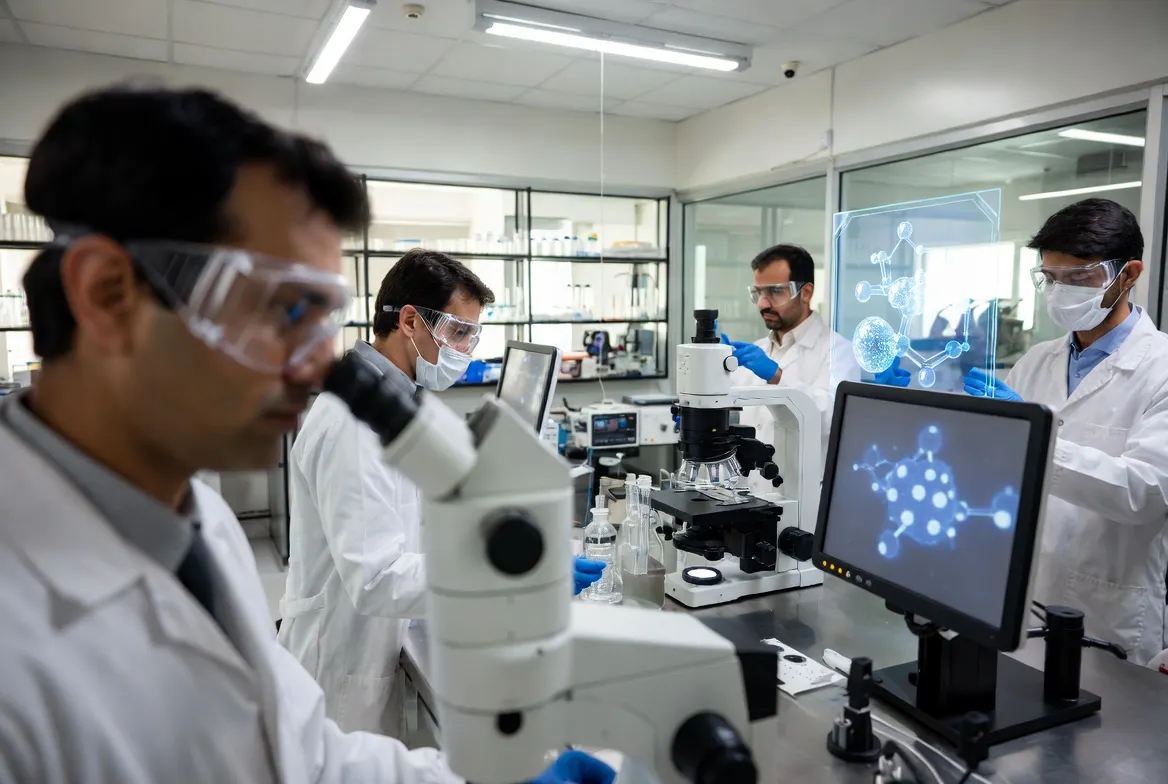
Innovation in drug development and delivery systems has changed how medicines improve human health. Instead of relying only on slow trial-and-error methods, researchers today combine molecular science, biotechnology, engineering, and digital tools to create safer, faster, and more effective therapies. Understanding these developments helps future pharmacists appreciate the scientific journey connecting laboratories, hospitals, and patients.
From traditional discovery to targeted design
Drug discovery once depended largely on screening thousands of compounds in the hope that one might work. Today, scientists use structure-based design, molecular modeling, and bioinformatics to study how diseases function at cellular and genetic levels. By identifying precise biological targets, researchers create medicines that act where they are needed instead of affecting the entire body, improving both safety and outcomes.
Rise of biologics and advanced therapies
A major breakthrough involves biologics such as monoclonal antibodies, recombinant proteins, vaccines, and cell-based treatments. Unlike conventional chemical drugs, biologics are produced from living systems and mimic natural biological processes. These innovations support management of cancers, autoimmune disorders, and rare genetic diseases. Biosimilars extend access by offering high-quality alternatives at affordable costs.
Smarter drug delivery systems
Earlier medicines released their full dose at once. Modern drug delivery systems focus on timing, precision, and comfort. Controlled-release tablets, transdermal patches, inhalers, liposomes, nanoparticles, and implantable devices deliver medicines gradually or directly to affected tissues. Patients benefit from fewer doses, fewer side effects, and more reliable results.
Targeted and personalized delivery
Targeted delivery uses nanotechnology and ligand-based carriers to guide medicines specifically to diseased cells. Personalized therapy integrates genetic information and patient data to match treatment to individual needs. Together, these innovations reduce toxicity, increase effectiveness, and support truly patient-centered care.
Digital technology and clinical innovation
Smart packaging, digital pills, and mobile monitoring tools help track adherence and record real-time responses. Data collected supports safer clinical trials, adaptive study designs, and faster regulatory evaluation. Researchers monitor outcomes closely, ensuring ethical and evidence-based progress.
Why students should understand innovation
Future pharmacists must interpret research, guide patient use, and collaborate with healthcare teams. Awareness of innovation promotes critical thinking, ethical practice, and lifelong learning. Institutions like Maratha Mandal Pharmacy College, Belagavi integrate scientific exposure, practical training, and research awareness so graduates remain prepared for an evolving pharmaceutical world.
Innovation in drug development and delivery systems continues to promise safer medicines, improved quality of life, and stronger global healthcare.